



Learning Autonomy – Part III
April 15, 2025
Conversational Competence (Coaching) in Leadership
April 15, 2025
By Arnoldo Arana
In coaching, listening is essential because this practice activates a transformative conversation. Active listening is indispensable in coaching because without it, a coach would lack the feedback needed to ask focused questions at the right time. If the coach doesn’t listen well, they can’t ask good questions; but active listening allows for adequate feedback on what the client has expressed, allowing them to continue moving forward in an extraordinary conversation.
In coaching, listening and questioning are mutually involved. Together, they form the cycle for an effective coaching session. Listening combines with curious questioning to provide feedback—to serve as a mirror—to foster self-exploration by the client; this involves challenging the coachee’s assertions. To this end, the coach provides feedback not through interpretations, but through questions—feedquestioning—that invite the client to examine other points of view, focus on meaning, examine the relevance of assertions, and generate reflection.
Feedquestioning is a word derived from two English words: feedback, which means “feedback,” and questioning, which means “asking.” Hence, feedquestioning means giving feedback by asking questions.
Feedback through feedquestioning involves providing feedback through questions that allow the client to observe themselves and draw their own conclusions. This promotes self-feedback, encouraging self-reflection, self-learning, and personal accountability.
Some examples of feedquestioning-type questions include: How do you evaluate your performance? On what results do you base your opinion of your performance? What results do the performance indicators that serve as the basis for your evaluation yield? What actions or steps do you need to commit to and take to improve your performance?
Differences between feedback and feedquestioning
| Feedback | Feedquestioning | |
| Result | · Advice, instruction | · Insight. Reflection. |
| Solution or proposal | · Comes from the coach | · It comes from the person (coachee) himself/herself |
| Responsibility | · It’s up to the coach | · What is given to the coachee |


 Monday through Friday is where most of the action in a leader’s life takes place; it is there where knowledge is transformed into action, energy is invested, creativity emerges, and faith is tested.
 Presenta a través de siete propuestas progresivas y complementarias un análisis práctico del vital proceso para gestionar la visión como factor esencial en el ejercicio del liderazgo.
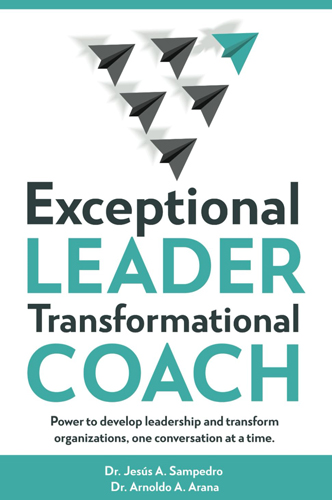 Would you like your organization’s culture to constantly ignite the empowering spark in your people, imbue them with the desire to become talent producers, and turn your supervisors and managers into agents of change?
 Through seven progressive and complementary proposals, it presents a practical analysis of the vital process for managing vision as an essential factor in the exercise of leadership.
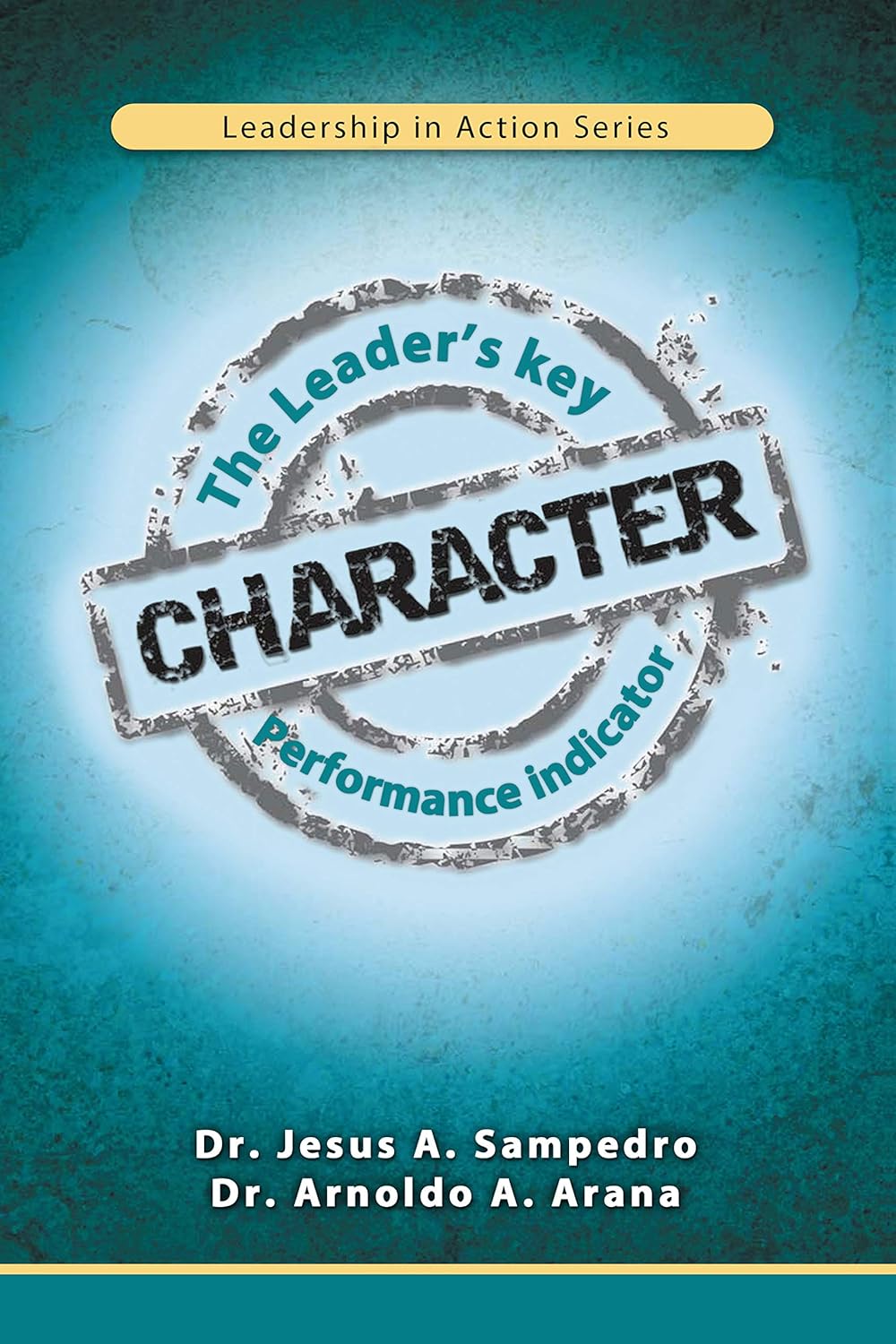 How important is it for leaders to build a mature, stable, and firm character as a foundation for their development as leaders? How important is character in the effectiveness of a leader’s management?
 This book presents values as the foundation of leadership and describes how six values:
 New Thinking on Leadership brings together the latest thinking from around the world to empower practitioners and academics to turn around what has been called ‘the leadership crisis’.



 Code of honor
 Do you want to harness King Solomon’s ancient wisdom to improve your leadership skills?
 The book “How to become a leader:
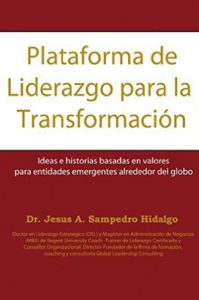 Este libro presenta los valores como fundamento del liderazgo y describe cómo seis valores:
 ¿Qué tan prioritario es para los líderes construir un carácter maduro, estable y firme como base para su desarrollo como líder? ¿Cuál es el peso del carácter en la efectividad de la gestión del líder?
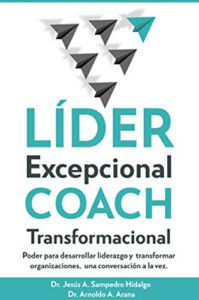 ¿Le gustaría que la cultura de su organización encienda constantemente la chispa empoderadora de su gente, les impregne con anhelos de convertirse en reproductores de talentos, y convierta a sus supervisores y gerentes en agentes de cambio?